Enter Sideways: The London Rooms That Make an Angle of You
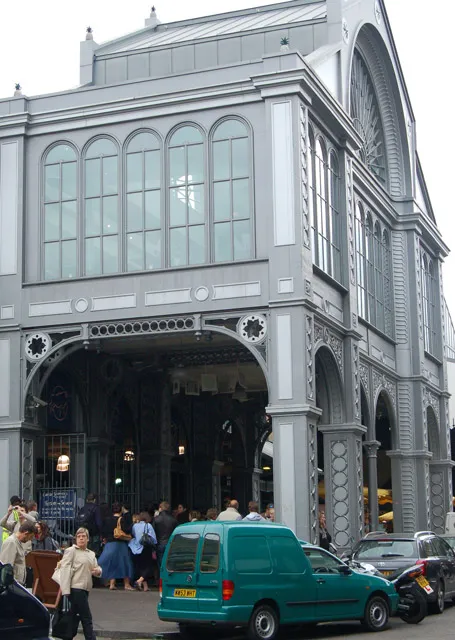
You know the feeling. You’ve got the address, you’ve checked the map, you’re standing outside — and the door is not where the building said it would be. It’s tucked around a corner, set at an angle, or offset from the pavement in a way that makes you turn your shoulders before you turn the handle. That small physical adjustment is the first clue that the room inside is not going to behave like a normal rectangle.
London has plenty of these places. They are not always grand. Often they are converted workshops, back-street townhouses, warehouse edges and odd little infill sites that planners never quite intended for a night out. But the geometry does something to a booking. It gives an arrival a bit of theatre, and it gives a private hire a shape you can actually use.
The first step is a small act of surrender
A diagonal doorway asks you to enter at an angle. That sounds like a design detail. In practice, it changes your whole posture. You cannot march straight in and survey the room like a hotel lobby. You have to turn, pause, and let the space reveal itself in stages.
For a private event, that is gold. The first thirty seconds of a hire set the tone: the welcome drink, the coat drop, the moment your guests clock where they are. A straight-on entrance shows everything at once. An angled one withholds a little. It creates a natural arrival sequence — threshold, turn, reveal — without needing a host with a clipboard and a headset.
The best operators lean into this rather than fighting it. They put the welcome table in the diagonal pocket, not across the main sightline. They light the turn, not the whole room. They let the entrance do the work of a good maître d’: calm, deliberate, slightly knowing.
Why a five-sided room feels more intimate
Rectangles are efficient. They fit tables, they make capacity maths easy, they keep fire officers happy. But they can also feel like a meeting room with a bar shoved in. A five-sided room, or a space with one acute corner and one long diagonal wall, breaks that grid. It gives people somewhere to tuck into.
Acute corners are underrated. They create small territories — a banquette for four, a standing ledge for two, a spot where a speaker can hold a corner without shouting. A diagonal wall can do the same job as a screen, separating the loud end from the quiet end without a single partition.
The catch is that odd shapes can also create dead zones. A sharp corner nobody can reach is just wasted floor. A diagonal sightline that puts a pillar between the bar and half the room is a problem you cannot fix with candles. Good operators use the geometry to make pockets, not to make obstacles.
Read the plan before you book
When you are viewing a private hire space, ask for a floor plan with the door marked. Not a mood board, not a capacity chart — a plan. Then look at four things.
First, the entrance relative to the bar. If guests walk in at an angle and immediately meet the bar queue, the arrival is cramped. If the bar sits just off the diagonal, you get a natural spill into the room.
Second, the sightlines. Stand at the threshold and see what you can see. Can you catch the eye of a guest across the room? Can you see the stage, the screen, the dining table? If the answer is no to all three, the room may be too clever for its own good.
Third, the pinch points. Angled rooms often have narrow necks where the doorway meets the main space. Ask how staff will move through with trays. Ask where the toilets are. Ask where the fire exits are. A beautiful diagonal is no use if it turns the cloakroom into a scrum.
Fourth, the accessibility route. Older London buildings with offset thresholds can hide steps, narrow doors and uneven floors. Ask for the step-free route in writing. A crooked entrance can be charming; a surprise step is not.
Where London does it well
You will find this geometry in the usual suspects: converted workshops in Clerkenwell, warehouse edges in Bermondsey, knocked-through townhouses in Soho, and the odd rooftop or back-lane space in Peckham and Hackney. The best examples rarely advertise the quirk. They just let you feel it.
Look for venues where the furniture follows the walls rather than fighting them. A bar set along a diagonal. A long table that bends the room’s logic. A cloakroom tucked into the acute corner so the main floor stays clear. These are signs that someone has thought about the shape rather than just painted it.
The angle test
Before you book, stand at the threshold and ask one simple question: does this room make me turn? If it does, you have an arrival. If it doesn’t, you have a box. Neither is wrong — but only one of them makes a night feel like it started before the first drink.
A room that meets you straight on is efficient. A room that meets you at an angle makes you pay attention. In 2026, with London’s private hire market as competitive as it is, that small moment of geometry is part of the hospitality. Book the room that makes the entrance feel like the beginning, not the admin.