After the Last Train: London’s Late-Kitchen Second Acts
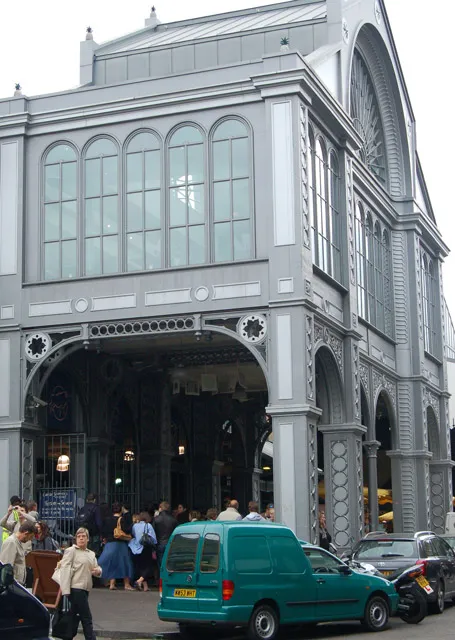
Photo: Andy F, CC BY-SA 2.0, via Wikimedia Commons
At 11:07pm on a Saturday, the old London script says you have two choices: go home, or join a queue for something fried and regrettable. The new script is better. You sit down. You order properly. You let the night end with a plate instead of a pavement. Somewhere between the last curtain, the final whistle and the closing DJ set, a late kitchen has become the encore — and the smartest venues in town are treating food as programming, not an afterthought.
This is not just about being hungry after 11pm. It is about what happens when a room keeps serving. People stay longer. They spend more. They stop checking the time because the night has somewhere else to go. Operators have noticed. The late menu is shorter, faster and more deliberate than the dinner menu. It is designed for sharing, for a table that has already had a drink, for the moment when nobody wants a three-course commitment but everybody wants one more thing.
The kitchen as the second stage
The shift makes sense. A night out is no longer one event. It is a gig, then a drink, then a plate, then maybe one more drink. Venues that can hold that whole arc have an advantage. They are not fighting for the first booking; they are winning the second. A late kitchen gives a private-hire room a reason to exist beyond the speeches. It gives a theatre crowd somewhere to land. It gives a date night a third act that is not a taxi home.
What are operators learning? Keep it tight. A late menu that tries to be a full restaurant menu is a kitchen that will break. The successful ones run short: a handful of plates, a couple of bigger things, something sweet if you are lucky. They prep for it. They staff for it. They price it so the kitchen makes money without turning the night into a second dinner. And they make it clear on the booking, because nobody wants to arrive at 11:15pm and find out the fryer has gone to bed.
The late-night roll call
These are the sorts of rooms worth planning around. Check the kitchen’s last orders before you go — late licences change, and a good late kitchen is a moving target.
- Dishoom Shoreditch. The room still hums late, and the menu makes sense at 11pm: dal, roti, grilled things, something cold to start. It is not a secret, but it is reliable, and reliability matters when you are hungry and the night is running out.
- Bao Soho. Small plates, tight room, queue that moves faster once the first sitting has gone. The late order is not about volume; it is about one more bao and a conversation that has finally found its rhythm.
- Kiln Soho. Counter seats, Thai grill, a menu that feels built for a late, sharp appetite. It is the kind of place where the food is the event, even if you arrived thinking you were only having a drink.
- Barrafina Dean Street. Counter dining, tortilla, gambas, a room that rewards a walk-in at the right moment. It is not a late-night diner, but it is a late-night proper sit-down, which is a different and better thing.
- The Standard, King’s Cross. The building has the advantage of multiple rooms and a late pulse. Eat, drink, move, repeat. For private hire, it is the sort of address where the kitchen can be part of the hire conversation rather than a separate afterthought.
- The Hoxton, Shoreditch. The lobby and adjoining spaces have long been a landing pad for people who are not ready to go home. The lesson is not the brand; it is the format. A room that can feed you late is a room that keeps you.
If you are hiring, book the kitchen in
For private-hire organisers, the late kitchen is now a feature to ask about early. Do not assume the room’s licence covers food after 11pm. Ask when the kitchen closes, what the last-orders cut-off is, whether the late menu is fixed or flexible, and whether staffing changes after a certain hour. Ask whether the kitchen can handle a second wave of guests who arrive after the main event, because that is exactly what will happen.
The best private-hire rooms are building food into the hire itself: a late tray of something warm, a short menu that can be pre-ordered, a drinks pairing that does not require a full sit-down. It is not about turning every party into a banquet. It is about giving the night a soft landing. A plate at 11:30pm says the room is still looking after you. A closed kitchen says the night is over, whether you are ready or not.
The proper finish
London has always been good at the first half of the night. The gig, the opening, the dinner, the drinks. The second half has often been left to chance and a kebab shop. The late kitchen is correcting that. It is not a trend about greed or excess. It is a trend about hospitality: the idea that a night out should end well, not just late.
So next time the main event finishes and someone says they are hungry, do not default to the pavement. Find the room that is still plating. Sit down. Order the short menu. Let the kitchen take the encore. The last train can wait. The last order should not.