The Warm-Up Is Underfoot: London Venues That Make the Stairs Part of the Show
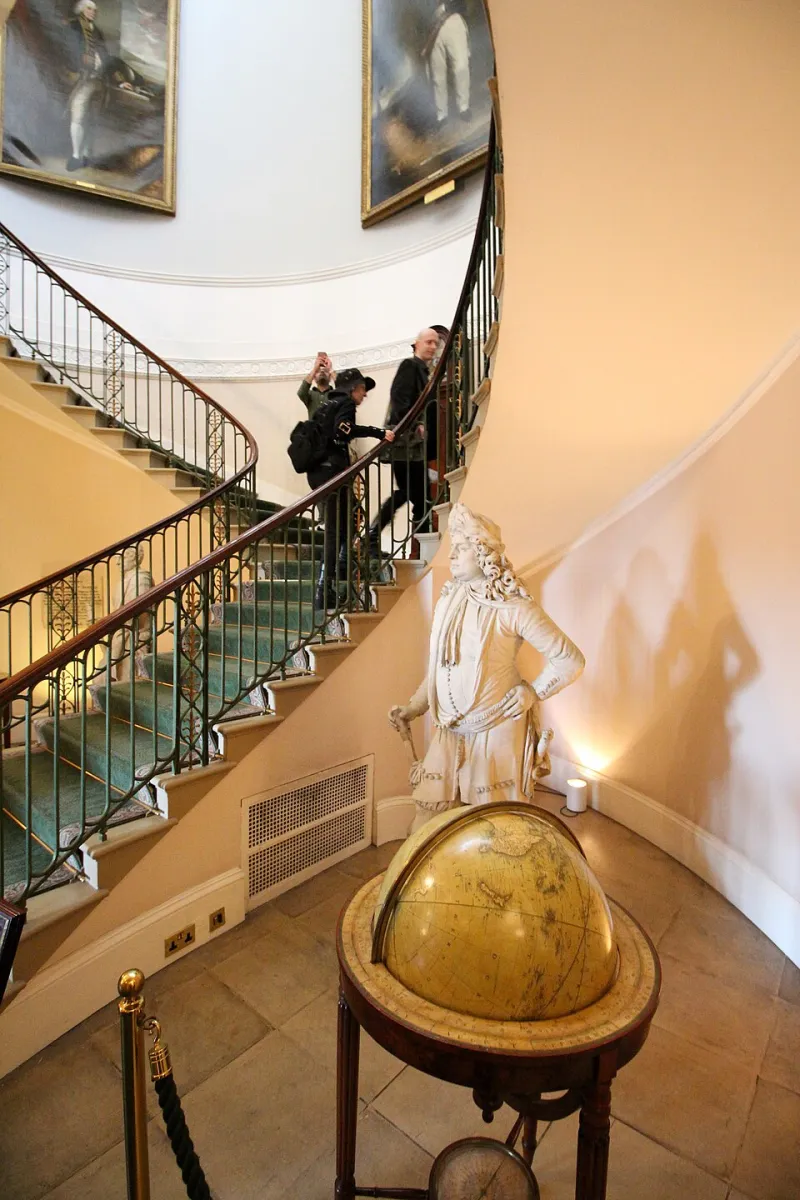
Photo: The wub, CC BY-SA 4.0, via Wikimedia Commons
London loves a reveal. We talk about the room, the lighting, the first drink, the sound. We rarely talk about the bit in between: the staircase. Yet the staircase is the venue’s opening line. It sets tempo, adjusts your shoulders, tells you whether you are heading into a secret, a spectacle or a snug. In a city of basements, rooftop bars and converted warehouses, the climb is never neutral. It is the curtain going up.
Down Is a Direction With Drama
Take Ronnie Scott’s. The Frith Street door gives little away, then the stairs take you down, past framed photographs and the low hum of a room getting ready. By the time you reach the floor, Soho has been switched off. The band is closer. The drink is nearer. You have been lowered into the night.
Basement stairs are a rinse. They strip away street noise, weather and the day itself. The Jazz Café uses its levels in a similar way: you can stay on the floor, or climb to the balcony and watch the room from the side, like a member of the band’s extended family. Either way, the movement matters. You are not just entering a venue; you are entering a mood.
Not every descent is graceful. A bad basement stair is a fire exit with a queue. The good ones have light where you need it, a handrail that feels solid, and a cloakroom at the bottom rather than a pile of coats on a banister. They also know when to stop being dramatic and start being useful. The best basement venues understand that the descent should feel like a secret, not a scramble.
Up Is a Promise
Going up is a different kind of storytelling. Bussey Rooftop Bar in Peckham asks you to climb through a building that feels half workshop, half playground; each flight adds sky. Frank’s Cafe at Bold Tendencies turns a car park into a processional. You arrive at the top with a view and a bit of a glow — and you have earned both.
The best upstairs rooms use height as anticipation. A pub function room, a members’ club, a gallery late — the stair creates a gap between the ordinary and the booked. It says: something is happening up there. And unlike a lift, which delivers you like a parcel, a staircase lets you arrive in stages. You hear the room before you see it. You catch a glimpse of a bar, a coat rack, a face. The night assembles itself as you climb.
The Landing Is the Interval
Landings are the interval of architecture. They give you a breath, a mirror, a place to check a coat or a text. They also stop the room arriving too fast. A venue with a landing feels considered. A venue without one can feel like a corridor with a bar.
Big cultural buildings know this. The Barbican’s staircases are part of the experience, all concrete turns and glimpses; the Royal Festival Hall’s wide steps are a public living room in themselves. Even a small venue can borrow the idea: a half-lit landing, a poster, a host with a clipboard. That pause is hospitality. It is also pacing. The best nights are not one long rush from pavement to table; they are a series of small arrivals.
The Pentagon Staircase Test
Before you book, run the staircase test. It takes five minutes and it tells you more than most photo galleries.
- Is there step-free access? Drama is fine; exclusion is not. A good venue makes the stair an option, not a barrier.
- Does the stair tell you where you are? Signage, light and sound should do some of the work. If you feel lost before you have ordered, the room is already losing you.
- Is there a landing? A pause is not wasted space. It is where the night catches its breath.
- Can you hear the room before you see it? A muffled bassline, a ripple of conversation, a saxophone in the distance — anticipation is part of the offer.
- Does the flow work? Watch the queue, the cloakroom, the door staff. A beautiful stair with a bottleneck is just a beautiful bottleneck.
- Is the exit stair calm? You will use it in a coat, at the end of the night, possibly in the rain. Good venues think about the way out, too.
If you are hiring a private room, walk the stair as your guest would: in the dark, in a coat, with a drink in hand. The climb is part of the event.
The Climb You Remember
None of this is about making stairs into a gimmick. It is about noticing what they already do. The narrow descent that makes a jazz club feel like a secret. The rooftop ascent that makes a first drink taste like a reward. The landing that gives you a second to arrive. London’s best venues understand that the night starts before the room does — often on the first step.
Book the room, yes. But book the climb too. It is the warm-up, the threshold and, sometimes, the best bit of theatre in the building. At Pentagon London, we will keep walking the stairs.