Five Tables and a Doorbell: Why London’s Smallest Rooms Are Having the Biggest Nights
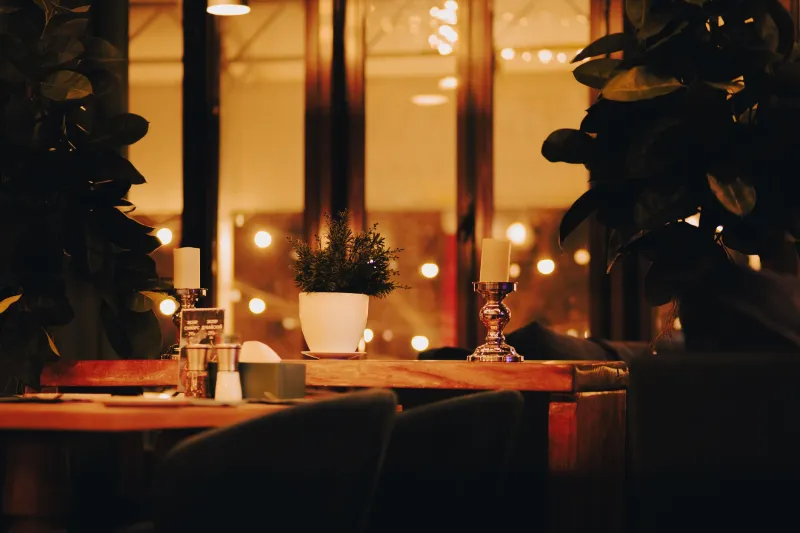
There is a particular sound a tiny London room makes when it is working: not silence, exactly, but a low, attentive hum. Glasses set down softly. A chair pulled in. Someone at the pass saying “two more minutes” and meaning it. You do not get that in a 120-cover dining room with a sound system doing the emotional labour. You get it in the places that have looked at the floor plan and decided, deliberately, to stop at five tables.
The five-table rule is not a literal law. Some rooms have six. Some have four stools and a ledge. Some have a counter that seats nine and a doorbell you have to ring. But the principle is the same: cap the room, raise the stakes. In a city that will happily sell you a “shared experience” for forty quid and then seat you next to a hen do, the tiny room is starting to feel less like a compromise and more like the main event.
Why five is the magic number
Five tables is about the maximum number of conversations a single good host can read without turning into a traffic warden. It is also, roughly, the point at which a room stops being a restaurant with a small footprint and becomes a private dinner that happens to have a licence. The service changes first. In a bigger room, you are a table number. In a five-table room, you are the person who said they liked negronis and got given something bitter and brilliant instead. The staff are not doing table maths; they are doing people maths.
Conversation changes next. There is nowhere to hide and nothing to shout over. You can hear your companion. You can hear the table next to you, which is either a joy or a warning, depending on the crowd. But the best tiny rooms create a kind of social permission: you are all in the same small boat, so you might as well be pleasant about it. The worst ones — and they exist — mistake cramped for cosy and close for intimate. The difference is usually lighting, acoustics and whether anyone has thought about where a coat should go.
The booking psychology of a room with no spare seats
Scarcity does something odd to Londoners. We ignore a place for months, then panic-book it the moment we hear there are only two covers left on a Tuesday. The five-table room leans into that. Bookings open in windows. Walk-ins are held back. There is often a polite note about groups of four, or a gentle warning that the room is not suitable for prams, laptops or people who need to take three calls. It should feel restrictive. Somehow, it feels like care.
That is the real shift. A tiny room cannot compete on choice, so it competes on attention. It cannot give you the big birthday table with the sparklers and the private bar, so it gives you the feeling that someone actually wanted you there. In 2026, with every mid-sized venue chasing the same Christmas party pound, that is a surprisingly rare thing. The tiny rooms are not winning because they are trendy. They are winning because they are legible. You know what you are getting: a seat, a short menu, a person who knows what they are doing.
Service when there is nowhere to hide
The best small-room service is almost invisible until it is needed. Water appears. A napkin is replaced. The pace drops when you look like you are mid-story. In a bigger room, that is a staffing miracle. In a five-table room, it is just good manners with a rota. The staff can see the whole picture because the whole picture is right there.
It also means mistakes are harder to bury. A forgotten order in a 90-cover restaurant can disappear into the noise. In a ten-seat room, it is a plot point. That is why the tiny rooms that last tend to be run by people who actually like the pressure of being watched. The doorbell rings, the host looks up, the room resets. It is theatre, but the good kind — low lights, no script, everyone pretending they are not in a show.
Three London rooms that get the tiny-room formula right
This is not a definitive list. London has too many good small rooms for that, and half of them would prefer you did not tell anyone. But these are the ones that consistently understand the assignment.
- Bar Termini, Soho — a handful of stools and a counter that rewards the solo drinker, the pre-theatre pair and anyone who understands that a tiny negroni bar is a public service. The room is small enough that the bartender becomes part of the evening without ever hogging it.
- Bao Soho — the queue is famous, but the room is the point. A tight, bright, focused space where the menu is short and the pace is deliberate. It proves that small does not have to mean solemn.
- Three Sheets, Dalston — a proper neighbourhood cocktail room with a short list and a generous spirit. It is the kind of place where you plan one drink and leave three hours later, having made friends with the people at the next table because there was no other option.
The small-room test
If you are booking a tiny room this winter, ask three questions. Can I hear the person across from me? Would I be happy sitting at any table in the room, or is there a bad one? And does the venue seem to want me there, or just want my deposit? The answers will tell you more than any Instagram grid.
The five-table rule is not about nostalgia for cramped dining rooms. It is about a trade: fewer covers, more attention. In a city that often mistakes size for quality, that feels like a genuinely good deal. The doorbell rings. The room is small. The night, somehow, gets bigger.