Ten O’Clock, Different Room: London’s Mid-Evening Shape-Shifters
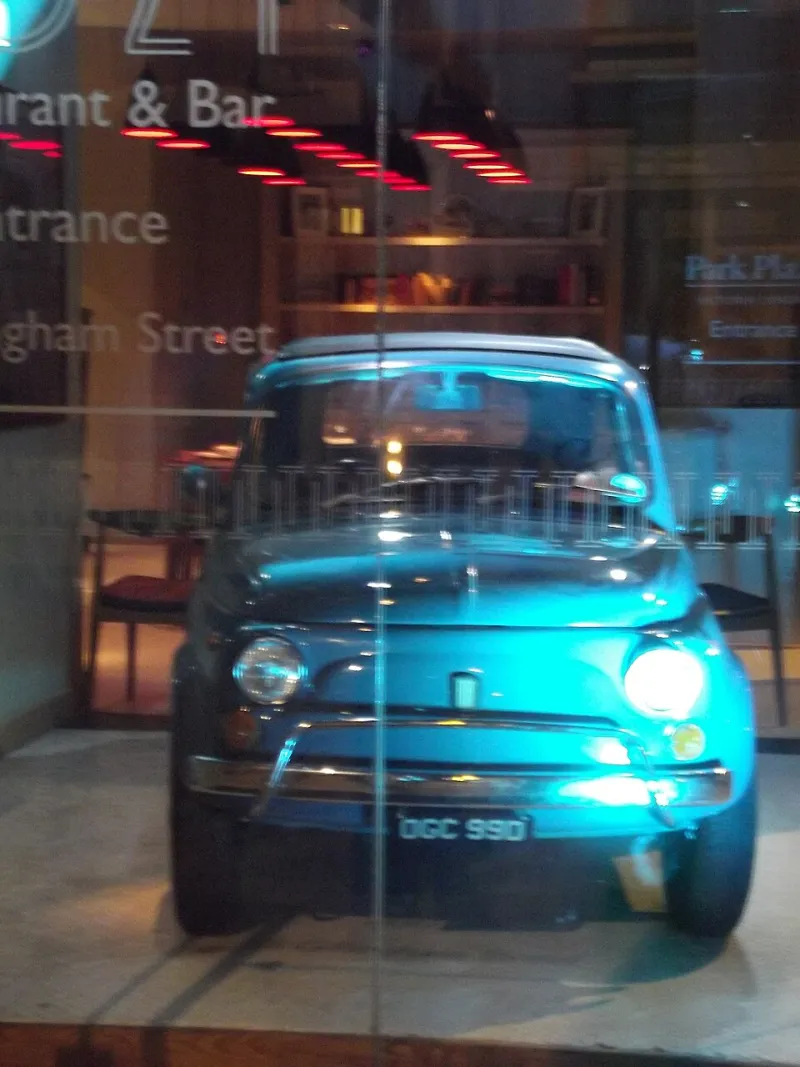
Photo: Elliott Brown, CC BY-SA 2.0, via Wikimedia Commons
There is a particular moment in a good London night when the room stops pretending. The plates are cleared, the music edges up by two notches and a venue that was all sharp edges and low conversation quietly rearranges itself into somewhere else. It is not quite a club and no longer quite a restaurant. It is the ten o’clock handover, and in 2026 the best rooms are designing for it rather than hoping it happens.
The handover is architecture, not accident
A successful mid-evening reshuffle looks effortless: a screen folds away, a banquette is pushed back, a few tables disappear and the floor plan exhales. Behind that smoothness is a load of unglamorous planning — storage for furniture, staff briefed on timings, sound levels zoned so the front half can still talk while the back half starts to move.
The tell is usually in the details. Look for stackable stools, banquettes on castors, ceiling tracks for partitions and lighting that can switch from warm and close to something more directional. A room built for one mood all night tends to feel rigid by 10.30pm. A room built for two feels like it has been waiting for you to finish your pudding.
Five rooms with a second act built in
These are not identical experiences, and none of them runs on a strict clock. The point is the shape-shift: the moment the room changes its mind about what kind of night it is.
Chiltern Firehouse, Marylebone
The long-standing Marylebone townhouse remains a useful benchmark for the gradual handover. Dinner is polished and paced; later, the bar side picks up the energy and the room’s volume seems to drop a little. The shift is less a theatrical reveal than a slow loosening of the collar. Book later if you want to catch the second mood rather than watch it arrive.
The Twenty Two, Mayfair
Mayfair has plenty of rooms that turn into parties, but this one does it with a townhouse intimacy that suits the post-dinner hour. The restaurant’s formality softens as the lighting warms and the back of the room becomes more social. It is the kind of changeover that rewards staying put rather than venue-hopping — assuming you have booked the right side of the room.
Louie, Covent Garden
Here the reshuffle is vertical. Dinner upstairs, later drinks below or on the terrace, and a crowd that gradually migrates rather than abruptly relocates. The architecture does the work: different floors, different sound levels, different reasons to stay. It is a smart model for anyone who wants a night with chapters rather than a single long scene.
The Maine Mayfair
The brasserie-to-late-room move is well established here, with live music and a gradual clearing of tables doing the heavy lifting. Book early for dinner and late for the shift; the middle seating can feel like standing in a doorway while the room decides what it wants to be. The reward is a proper mid-evening lift without leaving the building.
Kettner’s Townhouse, Soho
Soho townhouses are natural shape-shifters, and Kettner’s makes the most of it. The ground-floor mood changes as the evening rolls on — less formal, more fluid, with the bar side pulling people through. It is not a full club transformation, and that is the point: a gentler reshuffle for nights when you want the room to loosen without the floor disappearing from under you.
What the reshuffle does to a night
The psychological effect is underrated. A room that changes shape gives the evening permission to change too. Conversation moves from the table to the room; the lighting tells you that the serious part of the night is over; the sound gives you a reason to lean in or stand up. Good changeovers make the night feel longer without making it feel later.
The bad version is just as instructive. If staff start stacking chairs around you at 9.45pm, or the music jumps before the room has finished eating, the handover feels like an eviction. The difference is usually not budget but sequencing: a venue that has thought about the order of operations makes the shift feel like a service, not a closing-down sale.
How to read a venue before you book
Start with the photographs. Movable furniture, open floor space and a visible sound system are clues that the room is designed to reconfigure. Check the listings for DJ or live-music start times, and read the small print on last seating. If a venue advertises a late licence, ask what actually changes after 10pm — not every late licence means a room reshuffle.
When you book, be specific. Ask whether your table is in the part of the room that stays put or the part that gets cleared. If you want the second act, book later and sit closer to the action; if you want conversation, aim for the edges and ask to be away from the speakers. For private hire, ask how long the changeover takes and whether the room can hold both formats without a full reset. That single question will tell you more than any glossy floor plan.
The ten o’clock reshuffle is not a rule, and the best London rooms know it. Some shift at 9.30pm, some at 11pm, and some simply wait for the last main course to leave the pass. But as a way of reading a night out, it is useful: the room that can change shape is usually the room that wants you to stay.