The Other Side of the Glass: London Bars Where the Mirror Is Part of the Guest List
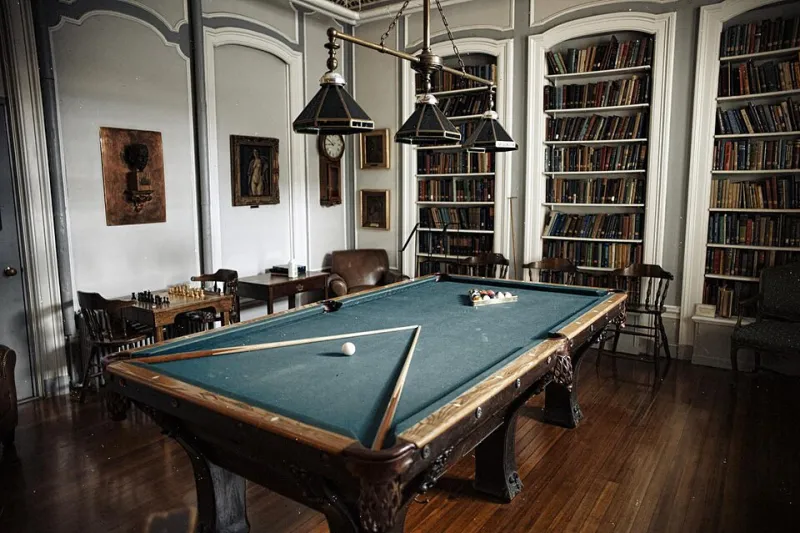
Photo: Christopher Michel, CC BY 2.0, via Wikimedia Commons
London in winter is a city of dark windows. By 6pm the streets are all reflection and no view, which is precisely why the best rooms start doing something clever with glass. A mirror in a bar is never just a mirror. It is a second stage, a second room, a second chance to catch the bit of the night you missed the first time around.
That is the pleasure of a properly reflective venue. It does not simply make a space look bigger, although it often does. It makes the evening feel more layered. You order a drink, and somewhere in the silvered panel behind the banquette a version of the same scene is already unfolding—slightly delayed, slightly softer, full of people who did not know they were part of the cast.
The room has a second room in it
The trick is not new. Mirrored walls have been flattering London rooms since the first grand brasseries decided that a narrow site could feel like a ballroom if you angled the glass correctly. What has changed is the range. Clear mirror is the extrovert: sharp, bright, doubling everything. Antiqued glass is the charmer: hazy at the edges, kind to candlelight, good at turning a small table into a little pool of atmosphere. Smoked glass and brushed metal are the quiet ones—less interested in doubling the room than in warming it up.
The Connaught Bar in Mayfair is a good place to start. Its silvered surfaces and low, jewelled light make the room feel like a held breath: crisp martinis, quiet theatre, a mirror that catches the trolley before you do. Brasserie Zédel in Soho goes the other way entirely. The mirrors there are grand, old-school and slightly overwhelming, which is exactly right for a room built on the promise of plenty. You sit down for a pre-theatre dinner and end up watching the whole Belle Époque play out behind your shoulder.
The Coral Room in Bloomsbury is more intimate, with mirrored detail that seems to pull the bar light around the room rather than simply copy it. And in Mayfair, the more extroverted mirrored ceilings and polished surfaces at Sexy Fish turn the whole place into a low-lit aquarium of people-watching. None of these rooms are subtle about it. That is the point.
How to read a reflective room in five minutes
First, work out what the mirror is facing. A mirror behind the bar is a display cabinet: bottles, glassware, the bartender’s hands. A mirror opposite the seats is a conversation piece, because it gives you the room from the other side. A mirror above the banquette is a people-watching engine, catching the tops of heads and the flicker of eyes across the room. A mirror on the ceiling is a statement—fun for ten minutes, less fun if you are trying to have a quiet word.
Second, check the light. Mirrors do not create brightness; they borrow it. Glass near a candle, a low pendant or a lit bar back will glow. Glass in a dark corner will simply sit there, a grey square doing nothing. The best reflective rooms place their mirrors where the light already wants to go.
Third, notice whether the mirror creates eye contact loops. A clear mirror opposite a row of tables can make strangers accidentally hold each other’s gaze for a beat too long. Antiqued glass softens that. Smoked glass interrupts it. Polished metal—brass, nickel, steel—does something else again: it reflects heat and movement rather than faces, which is why it so often makes a room feel busier without making it feel exposed.
When the mirror is the wrong kind of company
A mirror stops working when it makes a room feel crowded rather than expanded. The warning signs are easy to spot. Low ceilings plus clear mirror plus tight banquettes equals a hall of mirrors, and not in a good way. If every surface is doubling the same six tables, you are not in a bigger room; you are in a busier one. That can be electric at 9pm and exhausting by 11.30pm.
Mirrors also change the acoustics of a night out, at least in the mind. A glossy, reflective room feels louder because it looks louder. If you want a long catch-up, aim for antiqued glass, soft furnishings and a mirror that sits to the side rather than directly in front of you. If you want the full London performance—the glance, the glint, the sense that the night is happening just beyond your table—go for the clear stuff and sit where you can see the room twice.
Where the glass earns its keep this winter
For winter 2026, the reflective rooms worth booking are the ones that use glass as part of the service, not just the decor. At The Connaught Bar, the mirrors and silvered finishes make a martini feel like a small ceremony; book early and sit where the bar is in your eyeline. At Brasserie Zédel, ask for a banquette facing the room—the mirrored walls do the rest. The Coral Room rewards a corner table and a long conversation, while Sexy Fish is for groups who want the room to look back at them.
Further east, the polished metal and mirrored details in some of Shoreditch’s smaller cocktail rooms do a different job: they keep the mood low and the room tight, reflecting candlelight and conversation rather than full faces. That is the quieter end of the trend, and it is often the more useful one. A good mirror should not turn every night into a photo opportunity. It should make the room feel more alive than it did when you walked in.
The practical guide: book the reflection, not just the table
If you are booking for a night out, ask for a table with the mirror to your side, not directly in front of you. Side-on glass gives you the scene; face-on glass gives you yourself. In winter, mirrored rooms tend to feel warmer because they multiply candlelight and low lamps, so they are good for early drinks and long dinners. They are less good for confidential conversations and first dates where you would rather not watch your own expression.
For private hire, mirrored walls are a gift and a trap. They make a forty-person room feel like eighty, which is useful for a party and less useful for a seated dinner. They also make a space photograph beautifully, which is why so many London venues keep them. But check the acoustics before you book: all that glass can bounce sound around until the room feels like a nightclub when you wanted a supper club.
The best reflective rooms in London understand the difference between vanity and atmosphere. They do not put a mirror there so you can check your hair. They put it there so the night can happen twice—once at your table, and once in the glass behind it. This winter, that is worth raising a glass to. Preferably one with a clean, bright reflection.