Front Row at the Mise: London Rooms That Let You Watch the Work
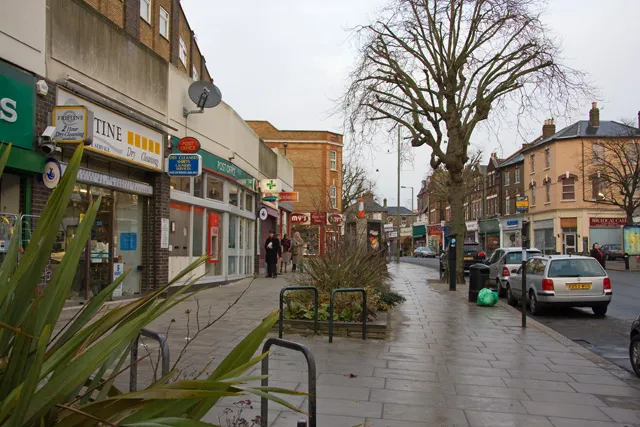
Photo: Edsel Little, CC BY-SA 2.0, via Wikimedia Commons
There is a particular pleasure in arriving early. The room isn't ready. Napkins are half-folded, somebody is hovering six glasses over a sheet of paper to check the spacing, and the smells are not yet dinner — they're the smells of things becoming dinner.
Most people treat those minutes as dead time, something to sit through while the menu settles in. They're missing the best show in the building.
Why the work is the entertainment
The open kitchen has been a fixture so long that it's stopped meaning anything. Every second site from Shoreditch to Brentford now has a visible pass and a wall of copper pans doing nothing. What separates a genuine view of the work from set dressing comes down to one test: does the work continue when you look away?
If the chef starts plating differently because your table is watching, you're at a theme park. If the line carries on regardless — if the sauce is being checked, argued over and corrected with no one turning to see who's noticed — you're watching a real kitchen solve a real problem in real time. That's the honest version, and it's far more entertaining than the choreographed one.
Three signs you've found the real thing. Nobody performs for your seat. The pacing is dictated by the clock rather than the guests. And, crucially, you can occasionally watch something go slightly wrong and get fixed.
Five vantage points worth booking
1. The pastry counter, 7.30am
Lamination is the most watchable craft in a bakery and the least photographed. Go for the first hour: butter blocks being beaten square, the folding, the trays sliding in, the trays coming out. Counter seats facing the bench rather than the window are the trick — a bakery-café in Notting Hill or Marylebone, midweek, before the pram traffic. Sit with a coffee you intend to finish slowly.
2. The four o'clock mise, Clerkenwell
Book the earliest table at a small modern-British dining room and ask, when you book, for a seat facing the pass. Arrive at 4.45pm if they'll have you, or just aim for the first sitting and get in before the room fills. In that hour you'll see stock reduced, herbs picked down, meat portioned and the day's deliveries turned into a plan. By 6pm the same kitchen is a machine; at 4.45 it's a workshop.
3. The bar lab, Shoreditch basement
A handful of London bars run genuine development sessions — batches tested, ratios logged, spritzes discarded. Some take a few stools at the bench and call it a lab night. Ask what's being worked on when you book; if the answer is vague, it's a promo, and if it's specific, it's a night out.
4. The fish counter, late morning
Whole fish broken down to order is a ten-minute demonstration nobody charges for. A day-boat counter, ideally somewhere near Borough or along the Hackney fringe, from about 11am. Stand where you can see the board, not the till.
5. The lay-up, 5pm
Front-of-house prep is the invisible craft: glassware polished, tables re-spaced by eye, the room's geometry re-set after a long lunch. A grand hotel dining room or a proper old brasserie between 4.30 and 5.30 is a quietly brilliant thing to watch, and the earliest booking gets the banquette facing the floor. Order something small and take your time about it.
The etiquette, briefly
Don't film. Ask before photographing anyone working — and accept a no without a discussion. Order properly; a coffee or a glass is the price of a seat. Keep questions for the gaps rather than the middle of a service. Tip like someone who's been in the way for an hour.
Timing is the whole game
Morning service, 7.30–10, is lamination and bread. The 2.30–5 stretch is delivery, prep and rebuilding. The 5.30–6.30 handover is the best twenty minutes in any venue — the point at which a room stops being a workplace and becomes a restaurant. And late, around 10.30, closing down is its own pleasure: the wipe-down, the count, the lights going off section by section.
Why it makes for a better night
Watching the work changes what you order and how long you stay. You understand why the bread is worth paying for, why the special has run out, why the room sits the way it does. A venue stops being a backdrop and becomes a place where things are being made by people who are quite good at it.
That's not a gimmick. It's just the truth, served at the counter.