The First Hour Is the New Main Event: Inside London's 9pm Handover
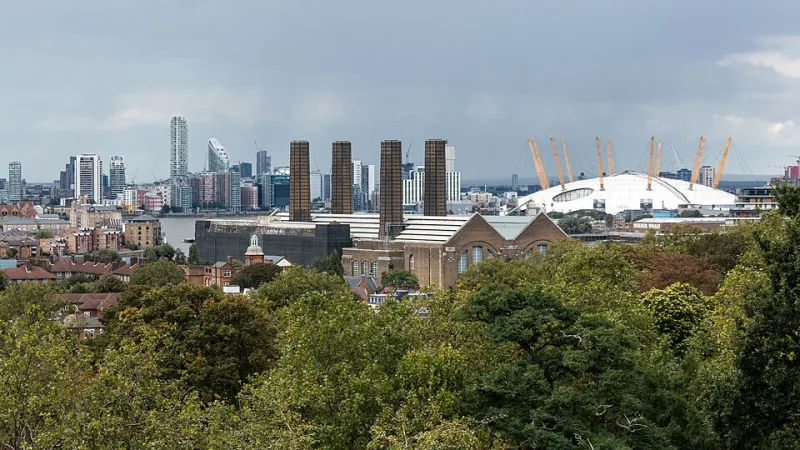
Photo: Dietmar Rabich, CC BY-SA 4.0, via Wikimedia Commons
There is a moment in a good London night out that used to be dead time. It is roughly 9pm, the doors have been open for an hour and the main attraction is still backstage, tuning up or running late. In the past, this was when the room filled slowly, the bar did steady business and everyone stood around checking their phones. In 2026, that hour is increasingly the point.
Call it the 9pm handover: the moment when the warm-up stops being background and starts being the reason you are glad you arrived early. Venues across the city are programming the first hour with real intent - residents, short-form performances, pre-show conversations, food-led openings - and audiences are responding. The result is a night out that feels fuller, less rushed and considerably more interesting than the old dash-for-the-headliner model.
Why the early slot got serious
Part of it is practical. London audiences are more careful with time and money. A ticket is one cost; the babysitter, the train, the round of drinks and the late taxi are others. If a venue can offer a genuine reason to arrive at 8pm rather than 9.30pm, the whole evening starts to feel better value. People are also less willing to spend the first hour of a night out in a holding pattern.
Venues have noticed. The early slot is no longer a staffing problem to be solved with a playlist and a half-open bar. It is a programming decision. A resident DJ who knows the room can set a tone that a touring headliner cannot. A short set from an emerging artist gives the night a second centre of gravity. A talk or a screening before the main event turns a gig into a cultural evening rather than a straight transaction. The first hour has become a place to take risks without asking the audience to commit to a five-hour marathon.
The warm-up as a craft in its own right
There is a particular skill to the early set. It is not simply the headliner at lower volume. A good warm-up reads the room as it arrives, works with the awkward gaps, builds a crowd without rushing it and knows when to step aside. In clubs, the resident is often the person who makes the night feel like a night rather than a queue for the main room. In gig venues, the support act is increasingly treated as part of the bill rather than a tax on the audience.
London has a deep bench here. Small rooms in Dalston, Peckham and Hackney have long understood that the first hundred people through the door set the temperature for everyone who follows. Larger venues are catching up, using early sets to introduce audiences to artists, selectors and hosts who might otherwise be buried in a listings page. The best early programming feels like an invitation rather than a warm-up lap.
Pre-show talks and the culture queue
Another shift is the rise of the pre-show talk. A panel, an interview or a short lecture before a performance can make the main event feel like part of a bigger conversation. Cultural venues have done this for years, but the format is spreading into gigs and club nights too. A 6.45pm conversation about a scene, a record or a city can turn an 8pm set into something with more texture.
The same is true of food-led openings. A supper-club start, a snack menu designed for the early crowd or a proper meal before the doors open properly gives people a reason to build the whole evening around the venue. It also changes the atmosphere. A room that has been fed and settled is different from a room that has been drinking on an empty stomach since 7pm. Venues that get this right are not just selling more chips; they are shaping the mood of the night.
Loyalty starts before the headliner
For venues, the first hour is a loyalty tool. An audience that arrives early is an audience that trusts the programmer. It spends more, stays longer and is more likely to come back for something it has not heard of. Early programming also helps with the practicalities: queues are easier to manage, bars are less crushed, and the room feels alive when the main act walks on.
That trust is hard to buy with a poster. It is built by consistency. A venue that puts thought into its early slot is saying that the whole night matters, not just the name on the flyer. Over time, that becomes part of its identity. People start booking for doors, not just for the headliner. They arrive with a different expectation - more open, more curious, more willing to stay for the thing they did not know they came for.
What audiences actually gain
The obvious gain is value. You get more night for your money. But the less obvious gain is pace. The 9pm handover gives an evening a shape. You arrive, you settle, you discover something, then the main event lands into a room that is already warm. It is a more relaxed way to go out, and it suits the way many Londoners actually live: busy, careful with time and keen to make the trip across town count.
There is also the pleasure of discovery. The early slot is where you hear the DJ who will be on everyone's lips next year, or the support act who steals the show, or the speaker who reframes the thing you thought you already knew. Those moments are harder to find when you arrive at the last minute. The first hour is not a preamble any more. It is part of the headline.
So next time you are looking at a listing, read the whole thing - not just the name in the biggest font. Check the doors time. See what is happening before the main event. The best nights in London in 2026 are increasingly built on the bit that used to be an afterthought. Arrive early. The 9pm handover is where the evening starts.