Before You Book: The Five-Minute Venue Audit Londoners Actually Need
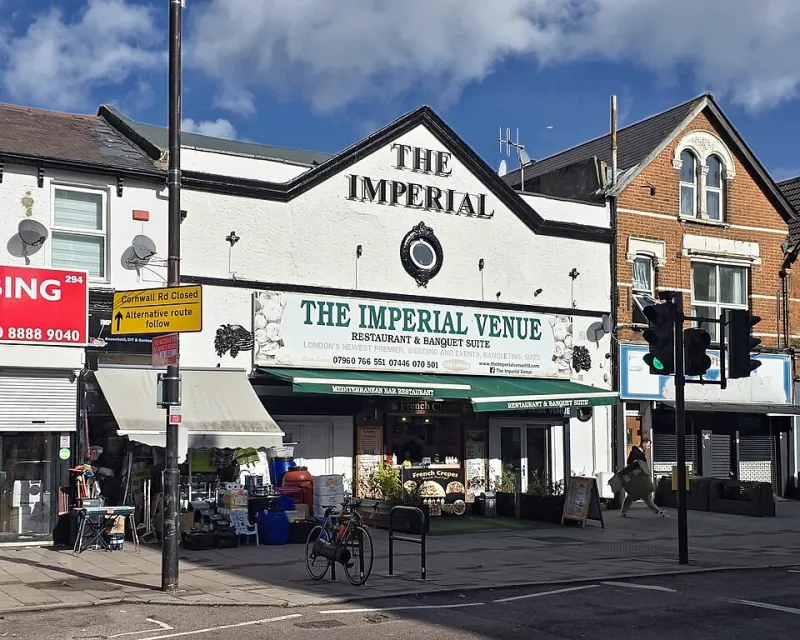
Photo: Acabashi, CC BY-SA 4.0, via Wikimedia Commons
London is very good at selling a night out on paper. A sharp poster, a respected selector, a room photographed at that exact amber hour when everyone looks interesting - it is an easy seduction. The problem is that none of those things tell you what the night will actually feel like once you are inside, coat in hand, trying to work out where the bar is.
So here is a more useful filter. We call it the Pentagon audit: five make-or-break points that separate a venue that looks good in a listing from one that earns its place in your calendar. It works for club nights and gigs, and it is especially useful if you are weighing up a private hire. You do not need a clipboard. You just need to ask better questions before you book.
Arrival: the first ninety seconds
A good venue starts working before the headliner does. Can you find the door? Is the queue moving? Does anyone acknowledge you, or are you left staring at a clipboard while three staff members discuss a keg? Arrival is where trust is built. A clear sign, a functioning cloakroom and a human being saying hello will do more for a night than another mirror ball.
For private hire, this matters even more. Ask where your guests enter, whether they will be mixed in with the public queue, what happens if it rains and who meets them at the door. A venue that cannot answer those questions cheerfully is telling you something. The best rooms make arrival feel like the start of the evening, not an administrative hurdle.
The room: does it do one thing well?
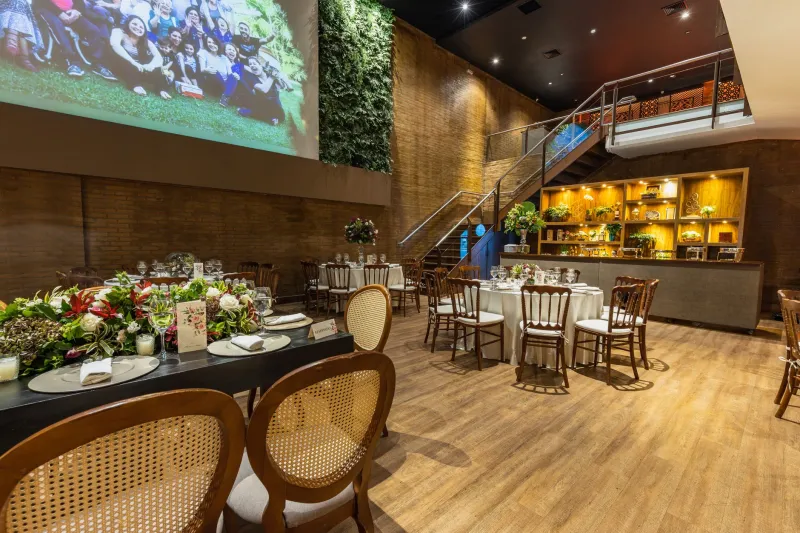
A room can be beautiful and still be useless. The key is not whether it has exposed brick - it is whether the space suits the thing you are asking it to do. Sightlines matter. So do ceiling height, bar placement, toilets, seating and the distance between the dance floor and the place where people want to talk.
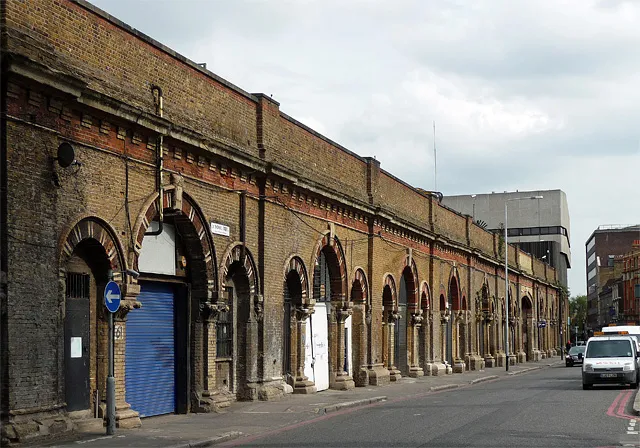
London has plenty of rooms with strong personalities: railway arches, listed halls, converted factories, pub back rooms with better sound than they have any right to have. The question is whether the personality helps. A low ceiling can make a gig feel intimate or make a standing crowd feel trapped. A beautiful bar can be a lovely focal point or a permanent traffic jam. Ask for capacity in the configuration you are actually using, not the one that looks best in the brochure. If you are booking privately, ask for a floor plan and a realistic furniture layout. Optimistic capacity maths is a classic venue sin.
Sound: the detail everyone notices and nobody asks about
Sound is the great invisible variable. A room with a brilliant system can still sound poor if there is no engineer, the sound limit is unrealistic or the DJ is fighting a room that was designed for something else. A room with a modest system can sound wonderful if someone who knows it is at the controls.
Before you book, ask who is handling sound, whether there is an in-house engineer, what the curfew is and whether there are noise restrictions that will affect the set. For private hires, be specific: is it a DJ set, a live band, a speech, a film screening? Each one needs something different. A wedding-style playlist through a ceiling speaker is not the same as a soundsystem. The best venues will tell you honestly what works in the room. The worst will say yes to everything and hope for the best.
Staff: the invisible production team
Staff are the part of a venue you feel rather than see. Good front-of-house staff read a room. They spot the guest who needs a chair, the queue that needs opening, the moment when the bar is about to become a scrum. Good security is calm and visible without being theatrical. Good bar staff can serve quickly without making you feel like you are interrupting a private conversation.
For a private booking, ask who the duty manager will be, how many staff are allocated to your event and whether security is in-house or contracted. Ask who your main contact is on the night. One clear point of contact is worth a dozen vague promises. The best venues make you feel like they have done this before - because they have, and because they have thought about what your version of the night needs.
Exit: the last impression
Exits are underrated. A bad exit can undo three good hours. The cloakroom queue that stretches into next week, the sudden lights, the vague instruction to leave via a side door, the taxi rank that does not exist - these are the details that turn a great night into a slightly annoying one.
Ask how the room empties. Is there a staggered exit? Where do guests get picked up? What is the nearest Tube, and how long does it actually take to walk there? For private hire, ask what time the venue needs you out, whether suppliers can load out later and what the neighbours are like. A venue that respects its exit is usually a venue that respects its guests. It is a small test, but it tells you a lot.
The Pentagon verdict
Score each point from one to five and you have a quick, honest picture. Anything under fifteen out of twenty-five is worth a second look. That does not mean walk away - it means ask why. Maybe the room is exceptional and the sound is handled by a brilliant freelancer. Maybe the arrival is scruffy but the staff are the warmest in London. The point is to know what you are buying.
The best nights out are not accidents. They are designed, often by people who have obsessed over the bits nobody puts on the poster. Use the audit before you book. Your future self, standing in a sensible cloakroom queue at 1am, will thank you.