Arch Appeal: Why London's Best Cultural Nights Are Happening in the Gaps
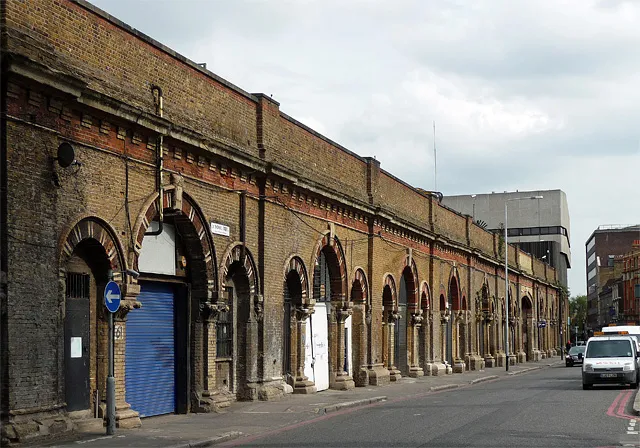
Photo: Stephen Richards, CC BY-SA 2.0, via Wikimedia Commons
London has always been good at making do. A railway arch becomes a club; a church hall becomes a cabaret room; a rooftop car park becomes a cinema with a skyline. What feels different in 2026 is that these improvised spaces are no longer the warm-up act to the city's cultural life. They are the main event. The most talked-about nights are often the ones with a slightly awkward entrance, a hand-stamped wristband and a programme that could only happen in a room that was not built for it.
The city's edges are now its centre
Traditional venues still matter. A great theatre, a well-run concert hall and a dependable comedy club will always have their place. But the cultural energy has been shifting towards spaces that sit between uses: under railway lines in Hackney and Bermondsey, in church halls in Stoke Newington and Peckham, on rooftops in Walthamstow and south London, and inside retail units that once sold phones or trainers.
Part of this is economics. Smaller spaces are cheaper to programme, easier to fill and more forgiving of a risky idea. Part of it is licensing and timing: a late-night arch or a community hall can host a crowd that a traditional theatre would struggle to accommodate at 11pm. But the bigger shift is emotional. Londoners have become suspicious of anything that feels too polished, too predictable, too much like a corporate night out. They want the sense that they found something, even if 300 other people found it too.
The railway arch as a cultural instrument
Village Underground in Shoreditch made the railway arch a design statement, but the format has spread far beyond it. Colour Factory in Hackney Wick, the arches around Bermondsey and the warehouse clusters of east London have become natural homes for electronic music, immersive theatre and late-night performance.
What makes an arch work is not just the look. It is the sound. Brick and steel create a particular kind of acoustics, and the absence of a conventional stage can push performers and audiences closer together. The trade-off is comfort: arches can be cold, echoey and awkward to navigate. The best operators lean into that rather than pretending they are a West End venue. They give you a cloakroom, a decent bar and a clear sense of where the night is heading.
Church halls, community centres and the art of the makeshift
Some of the most charming cultural nights in London happen in rooms that still smell faintly of coffee mornings. Church halls in Stoke Newington, Peckham and Bethnal Green are hosting jazz nights, film clubs, cabaret and supper clubs. St John on Bethnal Green is one example of a sacred space that has become a respected cultural venue without losing its sense of occasion.
These rooms bring a different kind of intimacy. You can see the sweat on the saxophonist's brow. You can hear the room laugh together. The bar is often a trestle table, and the programme is often announced on Instagram rather than in a season brochure. That informality is the point. It makes culture feel like something you do with your neighbours rather than something that is done to you.
Rooftops and retail shells: the new discovery economy
Then there are the spaces that should not work at all. Rooftop car parks in Peckham and Walthamstow have become summer cinema screens and winter pop-ups. Repurposed retail units on Oxford Street and in shopping centres have been turned into exhibition spaces, performance venues and temporary clubs. Peckham Levels turned a multi-storey car park into a cultural and food destination, and The Beams in Canning Town showed how a former industrial building could host ambitious light and sound installations.
The common thread is discovery. In 2026, the entrance matters as much as the event. You might climb a stairwell, pass a loading bay, follow a handwritten sign and end up in a room that feels like a secret. That small moment of uncertainty is now part of the pleasure. It gives the night a narrative: we went here, then we found this, and nobody at work had heard of it.
What this means for London nightlife
This shift is not without risk. Improvised venues can be inaccessible, poorly ventilated or vulnerable to closure. The best ones take safety, access and sound seriously. The worst treat grit as an excuse for a bad experience. Audiences are right to expect a working bar, clear information and a safe way home, however cool the location.
But the overall effect is healthy. London's cultural map is becoming more distributed. A night out no longer has to mean Soho or Shoreditch. It can mean a church hall in Hackney, a rooftop in Peckham, an arch in Bermondsey or a former shop in the West End. The city's fifth side, the one that does not appear on the tourist map, is where much of the fun is happening.
So yes, booking a traditional venue still has its place. But if you want the night that people talk about on Monday, look for the entrance that does not look like one. In 2026, the gaps in the city are where London's culture is most alive.